Blogs

Commercial Kitchen Hood Cleaning Code Requirements

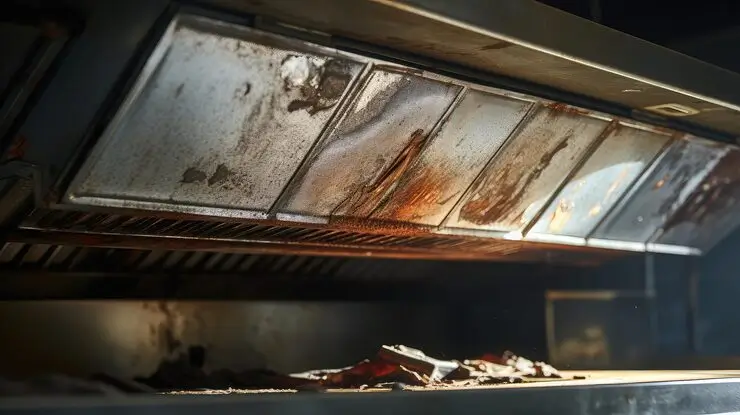
Commercial kitchen hood cleaning code requirements are primarily governed by NFPA 96, the National Fire Protection Association’s standard for ventilation control and fire protection of commercial cooking operations. This code sets minimum cleaning frequencies based on cooking volume and method, requires certified technicians to perform full system cleanings, and mandates documentation such as inspection tags and service reports. Local fire departments, health departments, and insurance providers typically adopt NFPA 96 as their baseline requirement, though some jurisdictions add stricter local

Read More »

Custom Fabrication vs. Off-the-Shelf Commercial Hoods

When it comes to commercial kitchen ventilation, the choice between a custom fabricated hood and an off-the-shelf unit isn’t about preference. It’s about whether the system you install can actually do the job your kitchen requires. A custom fabricated hood is designed and welded around your specific cooking equipment, ceiling height, ductwork path, and local code requirements. An off-the-shelf hood is built around a set of assumed conditions that may or may not reflect your kitchen at all. For a

Read More »

Why Professional Hood Installation Matters

Professional installation matters for commercial kitchen hoods because a hood system is a fire safety requirement under NFPA 96, not an appliance you simply mount and connect. When it’s installed by an unlicensed or unqualified contractor, the consequences don’t show up immediately. They show up during inspection, when a kitchen can’t open, or during a grease fire, when a suppression system that was never correctly integrated fails to activate.  Getting installation right the first time isn’t about being overly cautious.

Read More »

Why Commercial Kitchens Fail Inspection on the First Attempt

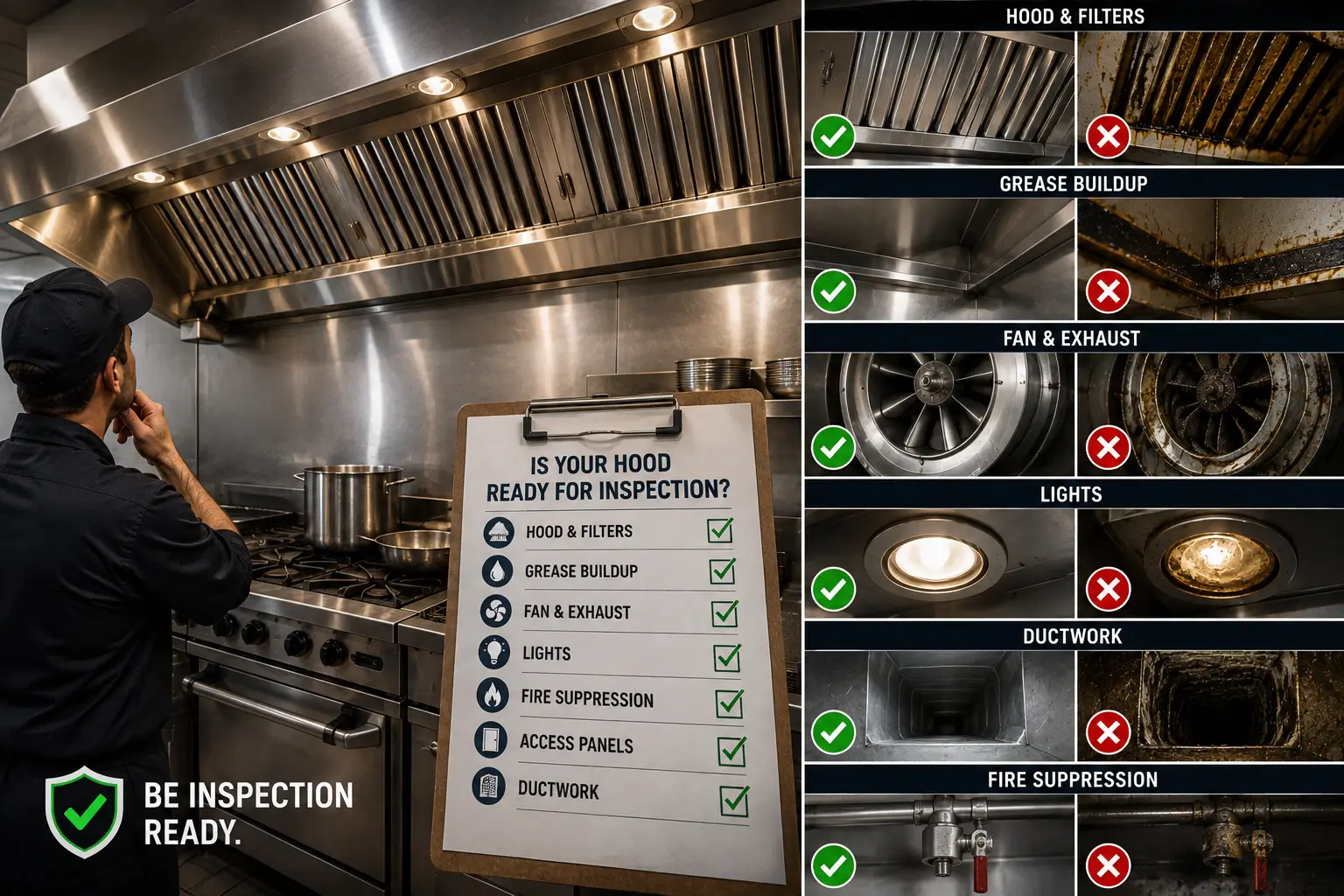
Commercial kitchens most often fail inspection because of three recurring issues: a hood system that was not custom fabricated around the kitchen’s specific equipment and layout, installation by a company without proper hood fabrication licensing, and a fire suppression system that was not coordinated with the hood during design. These are not random outcomes. Each one traces back to a decision made earlier in the project, often before the hood was ever installed. A failed inspection can stall a restaurant

Read More »

Fire Suppression Coordination on Commercial Kitchen Jobs

Opening a commercial kitchen involves more moving parts than most owners expect, and fire suppression is one of the pieces that cannot be treated as an afterthought. A commercial kitchen exhaust system and its fire suppression system are required to work together as a single line of defense against grease fires, and code does not allow one to be installed without proper consideration of the other. Understanding how this coordination actually works, and who is responsible for which piece, helps

Read More »

What Type of Commercial Kitchen Hood Do You Need

The type of hood your commercial kitchen needs depends on the cooking equipment you use. Type I hoods are required for appliances that produce grease-laden vapors, including fryers, griddles, charbroilers, and woks. Type II hoods are designed for equipment that generates only heat, moisture, or steam without grease, such as ovens, steamers, and dishwashers. There is no one-size-fits-all solution because the right hood depends on your equipment, kitchen layout, and local code requirements. Business owners planning a new commercial kitchen

Read More »

What’s the Difference Between Commercial and Home Hoods

The main difference between commercial and home hoods comes down to engineering, construction, and code compliance. Commercial hoods are custom fabricated to handle continuous grease laden airflow from a full cooking line and must meet NFPA 96 and International Mechanical Code requirements before a kitchen can legally operate. Home hoods are mass produced appliances designed for occasional cooking, lighter grease loads, and none of the fire code obligations that govern a commercial kitchen. If you’ve ever wondered why a restaurant

Read More »

Signs It’s Time to Replace Your Commercial Kitchen Hood

Your commercial kitchen hood is one of the most important pieces of equipment in your restaurant. It works continuously to remove heat, smoke, grease, steam, and airborne contaminants produced during cooking. Without a properly functioning hood system, your kitchen can quickly become uncomfortable, unsafe, and out of compliance with local fire and health regulations. Many restaurant owners focus on routine hood cleaning and maintenance, which are essential for extending the life of the system. However, even with regular servicing, every

Read More »

Do You Need a Permit for Commercial Hood Installation?

If you’re opening a restaurant, renovating a commercial kitchen, or replacing an existing exhaust hood, one of the first questions you may have is: Do you need a permit for commercial hood installation? In most cases, the answer is yes. Commercial hood installations typically require one or more permits because they involve fire safety, ventilation, electrical work, plumbing, and mechanical systems. Installing a hood without the proper approvals can lead to failed inspections, project delays, fines, and even the inability

Read More »

What Happens If Your Commercial Hood Fails Inspection?

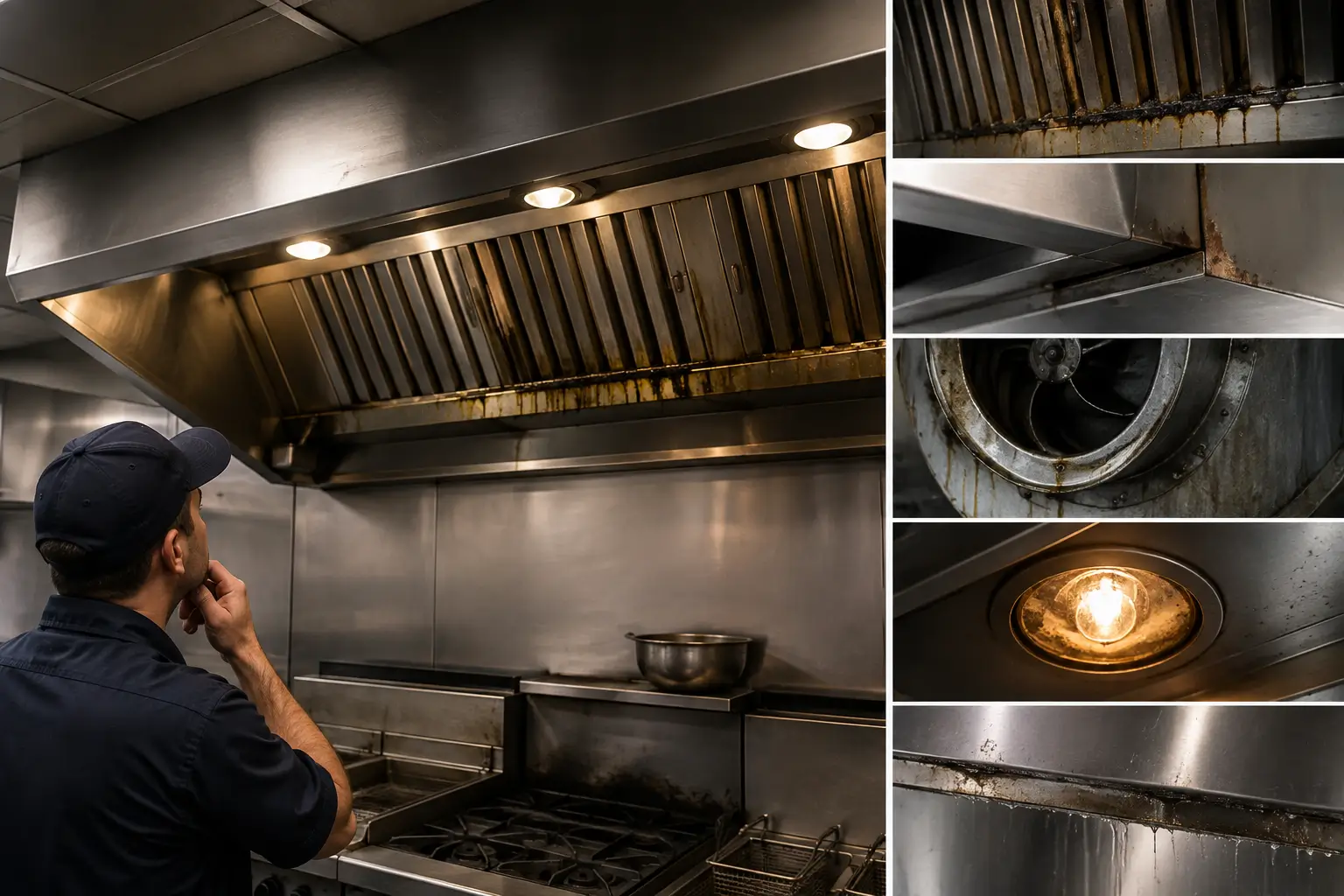
If your commercial hood fails inspection, the inspector will usually issue violations that must be corrected before the system can pass. In plain terms, that means the hood, ductwork, airflow, fire protection, or installation is not meeting code in some way. The kitchen cannot just ignore it and move on. The issue has to be fixed, then the system typically has to be reinspected before approval is given. That can feel stressful, especially if your opening, remodel, or day-to-day operations

Read More »

How Often Should Commercial Kitchen Hoods Be Cleaned

Commercial hoods should be cleaned monthly, quarterly, semi-annually, or annually depending on cooking volume. NFPA 96 sets the rules. Ask ten restaurant owners how often their commercial kitchen hoods should be cleaned, and you will get ten different answers. Some say every six months. Some say once a year. A few will tell you they clean it when it starts looking dirty. What they all need, whether they know it or not, is professional commercial hood cleaning on a properly

Read More »

Important Considerations for Commercial Exhaust Fan Installation

A properly planned commercial exhaust fan installation is one of the most important parts of a safe and code-compliant commercial kitchen. The right exhaust fan setup removes heat, grease-laden vapors, smoke, and airborne contaminants while supporting proper airflow throughout the kitchen. Without the correct installation, restaurants and food service facilities can experience ventilation problems, failed inspections, poor indoor air quality, increased fire risks, and higher energy costs. At CRS Hoods, commercial exhaust systems are designed around real kitchen demands, NFPA

Read More »

 Commercial Exhaust Fan Installation | CRS Hoods

Commercial exhaust fan installation plays a critical role in maintaining safe, code-compliant, and comfortable working environments. Whether you operate a restaurant kitchen, warehouse, manufacturing facility, or food prep area, proper ventilation directly affects air quality, heat control, employee comfort, and equipment longevity. CRS Hoods specializes in commercial exhaust fan installation services, helping businesses design and install reliable ventilation systems built for demanding commercial environments. In commercial settings, exhaust systems are not simply about removing smoke or odors. They are engineered

Read More »

How Does Commercial Kitchen Exhaust Work?

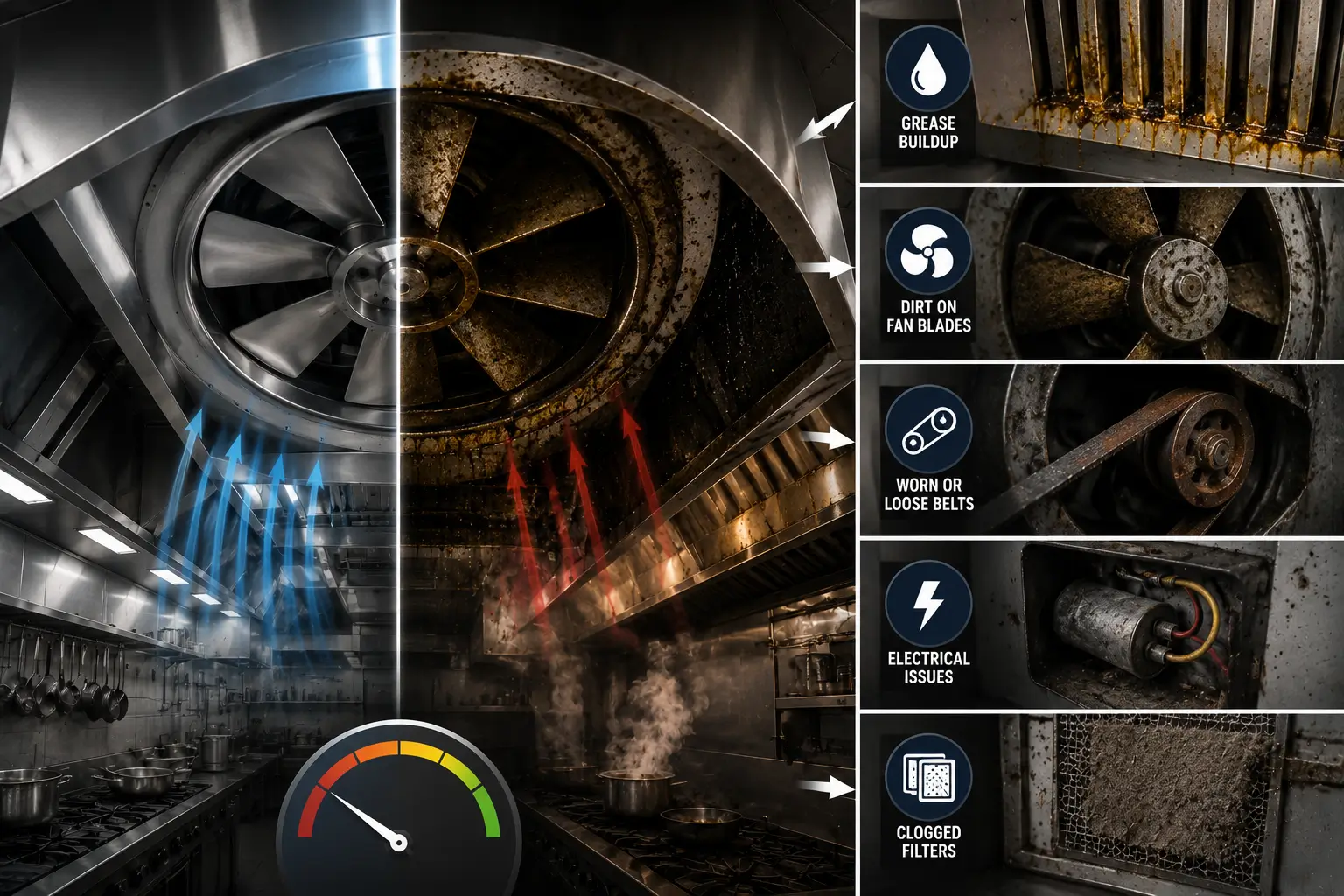
Commercial kitchen exhaust systems work by capturing smoke, grease, heat, and cooking odors through ventilation hoods and safely pushing contaminated air outside the building. At the same time, fresh air flows back into the kitchen to keep the environment safe and comfortable. Without proper restaurant kitchen ventilation, temperatures rise fast, grease builds up, and air quality becomes dangerous. If you want to understand how commercial kitchen hood systems actually work and why they matter for safety, efficiency, and compliance, keep

Read More »

Restaurant Hood Ductwork Requirements

If you run a commercial kitchen, restaurant hood ductwork requirements are not just technical details on a blueprint, they are the line between a safe, compliant kitchen and a costly fire risk. The duct system is where grease-laden air travels every day, so it has to be built, installed, and maintained the right way. Keep reading, because understanding these requirements can help you avoid violations, reduce fire danger, and protect your business. NFPA 96 is the core standard behind commercial

Read More »

Ready to Enhance Your Kitchen's Safety & EFFiciency?

Get in touch with us today for a free consultation. Our team of experts will work with you to design and install a ventilation system that meets all code requirements and keeps your kitchen operating at peak performance.

Fill the form below to get started

Scroll to Top