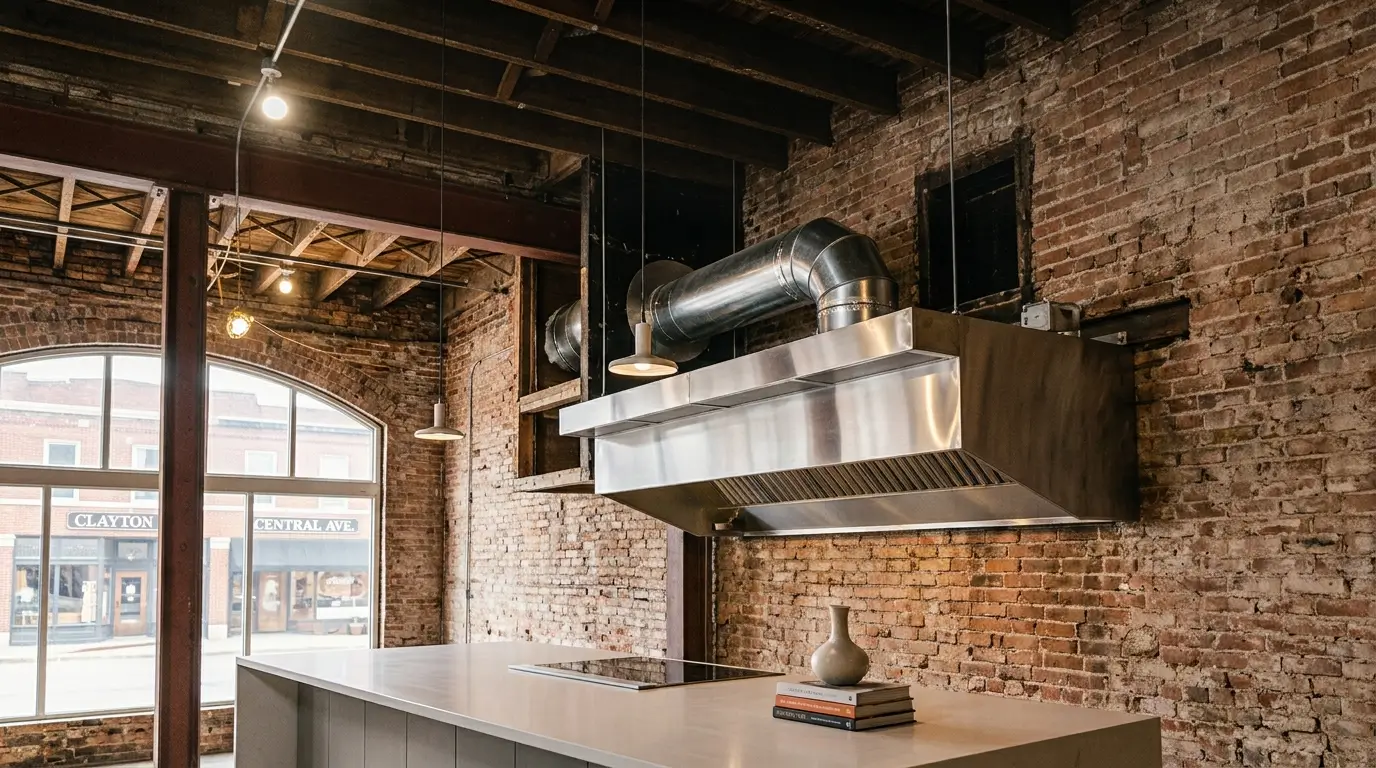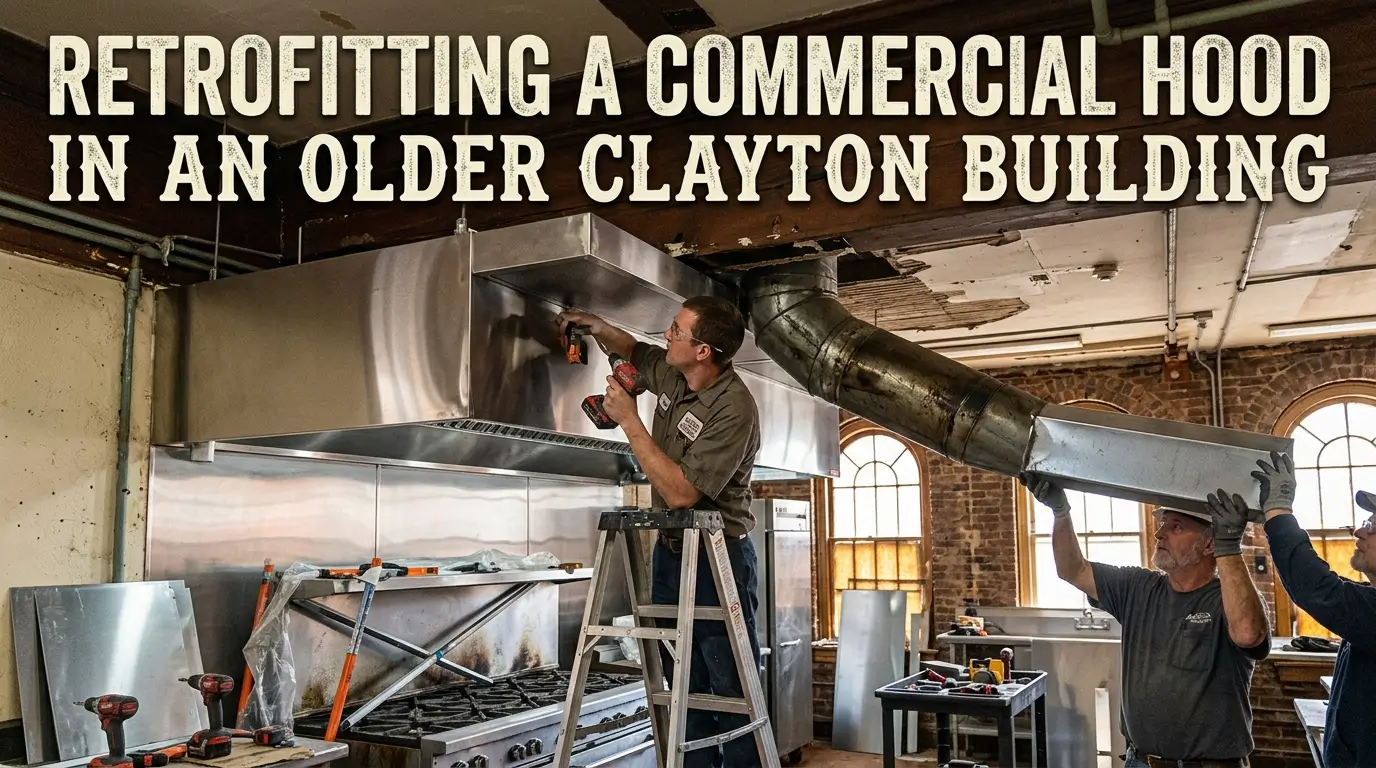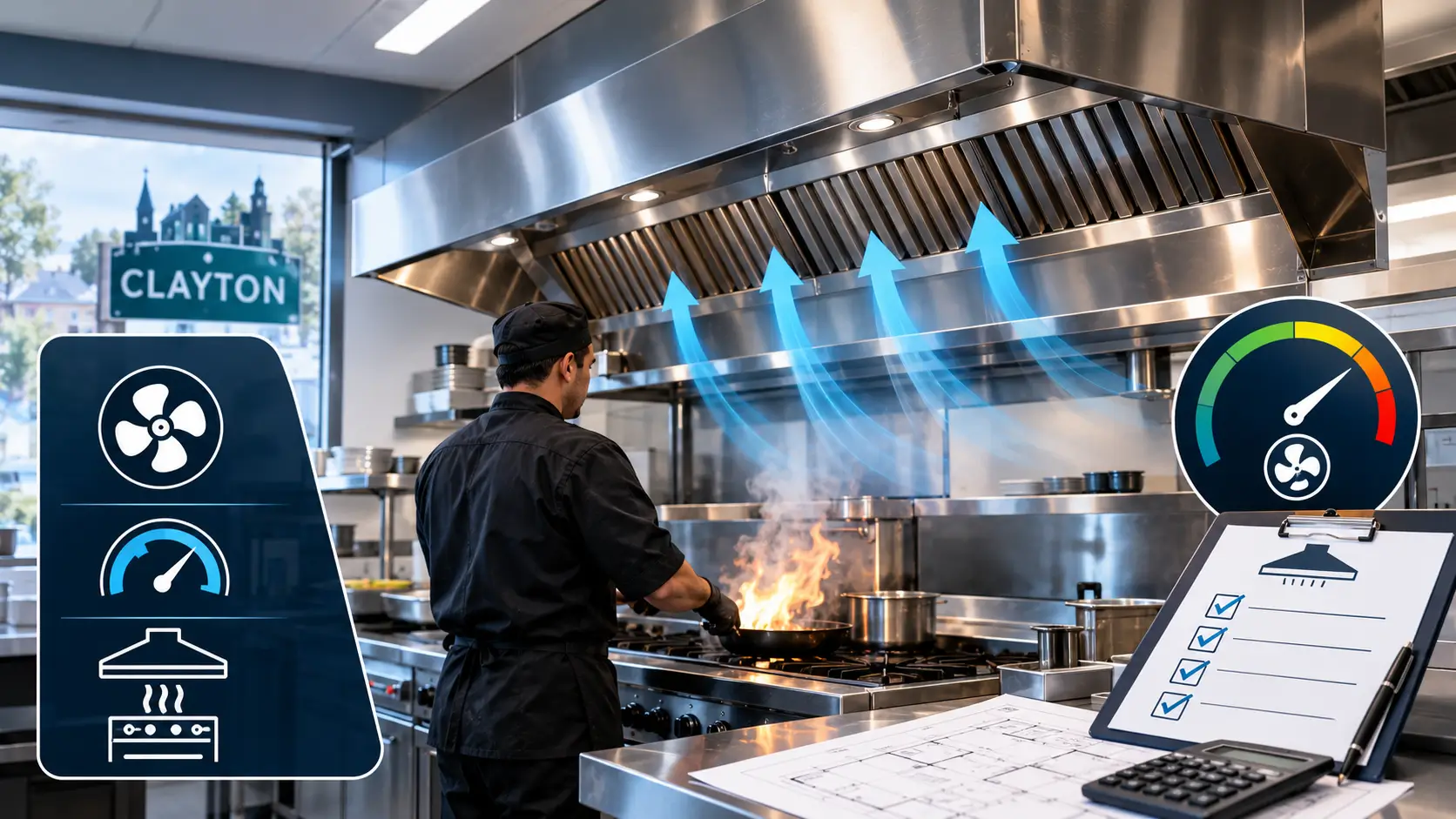

If you have ever walked into a commercial kitchen mid-service and felt the controlled chaos, the sizzling pans, the roaring flames, the billowing steam, you already know how intense that environment gets. Now imagine all that heat, smoke, and grease with nowhere to go. That is a recipe for disaster, literally. That is why commercial kitchen exhaust hood installation is not just a box to check on your permit list. It is one of the most critical investments you will make in your foodservice operation.
Whether you are opening a brand-new restaurant, renovating an existing kitchen, or replacing an aging ventilation system, this guide walks you through everything. From choosing the right hood type to nailing the installation and staying compliant with code, we have got you covered. And if you want a team that has been doing this since 1980 and has installed over 10,000 systems, CRS Hoods is a name worth knowing from the very start.
Why a Commercial Exhaust Hood Is Non-Negotiable
Let us be real. No health department inspector is going to let you run a commercial kitchen without a proper exhaust system. But the reason goes well beyond legal compliance.
A well-installed exhaust hood does four powerful things at once. It removes heat, keeping your kitchen staff comfortable and productive. It captures grease-laden vapors before they coat every surface in your kitchen and eventually cause a fire. It eliminates smoke, so your customers do not end up smelling like last night’s special. And it expels carbon monoxide and other combustion byproducts, protecting the health of everyone in the building.
Think of the exhaust hood as the lungs of your kitchen. Without healthy lungs, the whole body suffers. A poorly installed or undersized hood is like breathing through a coffee stirrer. It technically works, but everything is struggling.
Types of Commercial Kitchen Exhaust Hoods
Not all exhaust hoods are created equal, and picking the wrong type for your cooking equipment is one of the most common and costly mistakes in kitchen design. The right hood type and configuration depends on your specific cooking equipment and kitchen layout, which is why this decision is best made with a ventilation specialist rather than chosen off a catalog.
Type I Hoods: Grease and Heat
Type I hoods are the heavy-duty workhorses of commercial ventilation. If your kitchen equipment produces grease-laden vapors, think fryers, charbroilers, woks, griddles, and open-flame ranges, you need a Type I hood, full stop. These hoods feature grease filters, grease collection troughs, and must be paired with a fire suppression system.
Type I hoods are further classified based on their proximity to cooking equipment. Wall-mounted canopy hoods, island (double island) canopy hoods, and back-shelf hoods are the most common configurations. The team at CRS Hoods specializes in professional Type I hood installation across Pennsylvania, New Jersey, Delaware, and Maryland, with a track record of passing fire marshal inspections on the first attempt.
Type II Hoods: Heat and Moisture Only
Type II hoods are designed for equipment that produces heat and steam but no grease, like commercial dishwashers, steamers, coffee machines, and ovens that do not use open flames. They are simpler in construction with no grease filters or suppression systems required, and generally less expensive to install. But do not try to use a Type II where a Type I is required. That is a fire hazard and a code violation waiting to happen.
Proximity Hoods and Specialty Options
Proximity hoods, also called low-proximity or close-proximity hoods, are mounted much closer to the cooking surface than traditional canopy hoods. They require lower CFM (cubic feet per minute) ratings, making them energy-efficient options for certain kitchen layouts. There are also condensate hoods, ventless hoods with built-in filtration, and recirculating hoods, though these come with their own set of approval requirements and limitations.
Key Factors to Consider Before Installation
Before a single bracket gets bolted to the ceiling, there is a planning phase that determines whether your exhaust system will actually work. Skip this, and you are setting yourself up for expensive corrections down the road.
CFM Requirements and Airflow Calculations
CFM, or cubic feet per minute, is the measurement of how much air your hood system needs to move. Too low and the hood will not capture all the contaminants. Too high and you will be over-ventilating, wasting energy, and creating uncomfortable negative pressure in your kitchen.
CFM calculations depend on several variables: the type of cooking equipment, the cooking duty (light, medium, or heavy), the hood style, and the distance between the hood and the cooking surface. A heavy-duty charbroiler needs significantly more CFM than a countertop steamer, for example. Industry standards and manufacturers typically publish CFM tables, but working with a certified kitchen ventilation designer ensures the math is right for your specific setup.
Hood Sizing: Getting the Dimensions Right
A hood that is too small is almost as bad as no hood at all. Hood sizing and overhang depend on the cooking equipment’s footprint, heat output, and hood style, which is why a ventilation specialist calculates these dimensions for each specific installation rather than applying a fixed measurement.
Hood height is determined by the cooking equipment type, hood configuration, and local code requirements, which is why a ventilation specialist establishes the correct height for each specific kitchen rather than applying a standard number.
Makeup Air Systems: The Overlooked Partner
Here is something a lot of first-time restaurant owners overlook. When your exhaust hood pulls air out of the kitchen, that air has to come from somewhere. That is where makeup air (MUA) systems come in. Without adequate makeup air, you will create negative pressure, which causes doors that will not open, pilot lights that blow out, and a hood that actually performs worse because it cannot draw properly.
Most codes require that makeup air replace 80 to 90 percent of the air exhausted by the hood. This makeup air can be introduced through ceiling diffusers, front-face discharge on the hood itself, or perforated plenum systems. Getting this balance right is just as important as sizing the hood correctly. CRS Hoods offers dedicated makeup air system design and installation as part of their full-service ventilation packages.
Code and Compliance Requirements
If there is one area where you do not want to cut corners, it is compliance. Commercial kitchen ventilation is regulated at the federal, state, and local levels, and inspectors know what they are looking for.
NFPA 96 and Local Health Codes
The National Fire Protection Association’s NFPA 96 (Standard for Ventilation Control and Fire Protection of Commercial Cooking Operations) is the baseline standard most jurisdictions adopt for commercial kitchen exhaust systems. You can review the official NFPA 96 standard on the NFPA website to understand the full scope of requirements. It covers everything from duct material requirements, with gauge and specification depending on the system design and local code.
On top of NFPA 96, your local health department, building department, and fire marshal will each have their own requirements. It is not uncommon to need three or four separate inspections and sign-offs before your kitchen passes. Pull permits early, involve your local authority having jurisdiction (AHJ) from the start, and do not assume what worked in another city will automatically fly in yours.
Fire Suppression System Integration
For Type I hoods, a fire suppression system is not optional. It is mandatory. These systems, typically wet chemical suppression systems, are connected directly to the hood and automatically discharge suppressant if a fire is detected in the cooking equipment below.
The fire suppression system must be designed and installed by a licensed contractor and meet code-required fire suppression standards.. It also needs to be interconnected with a gas shut-off valve that cuts fuel to cooking equipment during a fire event. Plan for this from day one, as retrofitting suppression systems into a poorly designed hood is a nightmare.
Step-by-Step Commercial Kitchen Exhaust Hood Installation
Now we get to the hands-on part. While complex installations absolutely require licensed professionals, including kitchen ventilation specialists, plumbers, electricians, and fire suppression specialists, understanding the process helps you oversee the project intelligently and catch problems before they become expensive.
Planning and Site Preparation
Start by finalizing your hood selection and layout drawings. Confirm equipment placement, because your hood position is dictated by your cooking equipment, not the other way around. Check ceiling height, structural supports (hoods can weigh hundreds of pounds), and existing utility locations. Mark out electrical rough-in points for the exhaust fan motor and lighting inside the hood.
If you are in the Mid-Atlantic region, the CRS Hoods installation team can handle everything from the initial site assessment through the final code sign-off, which takes a lot of the guesswork off your plate.
Ductwork Design and Routing
Ductwork is the highway your exhaust travels from the hood to the outside. For Type I applications, ducts must be welded steel (not screwed or riveted, which can leak grease) and must rise continuously with no horizontal dips where grease can pool. The shortest, straightest route to the exterior is always best.
Ducts must terminate outside the building, away from windows, doors, and air intakes. They also need access panels at every change of direction for cleaning. And here is a detail many people miss: the duct penetration through the roof or wall must be properly fire-stopped and flashed to prevent water infiltration and fire spread.
Mounting the Hood
With ductwork roughed in, the hood body gets mounted to the ceiling structure using steel supports rated for the hood’s weight. Clearance from combustible materials depends on the hood and duct construction, with the exact distance determined by local code and the specific design, unless an approved enclosure or listed system changes that requirement.
Grease collection cups and filters are installed during this phase, with placement and configuration determined by the hood design and code requirements.
Connecting the Exhaust Fan
The exhaust fan, typically a utility set or inline blower mounted on the roof or exterior wall, gets wired to its dedicated electrical circuit and connected to the duct system. Fan motors for commercial kitchens must be grease-rated and rated for continuous duty. Modern fan systems can include variable speed controls that modulate based on cooking load, improving energy efficiency over time.
Once connected, the system is tested and balanced to confirm it performs as designed before calling for final inspection.
Common Mistakes to Avoid During Installation
Even experienced contractors make mistakes. Here are the big ones to watch out for.
Undersizing the hood or fan is probably the most common pitfall. It is always better to go slightly larger than to struggle with inadequate capture velocity. Skipping makeup air is the second biggest blunder, as this creates negative pressure that kills hood performance and makes the whole kitchen uncomfortable to work in. Using wrong duct materials is another one to avoid. Galvanized duct is not acceptable for grease-laden exhaust in Type I applications. Ignoring access panels means your duct system cannot be cleaned, and that is a grease fire waiting to happen. And attempting DIY fire suppression is a firm no. This must always be done by a licensed, certified contractor with no exceptions.
Maintenance After Installation
Installation day is not the finish line. It is the starting gun. A commercial exhaust system requires regular, documented maintenance to stay effective and compliant.
Grease filters should be cleaned weekly in high-volume kitchens and monthly in lighter operations. The hood interior, duct system, and exhaust fan should be professionally cleaned on a quarterly, semi-annual, or annual schedule depending on cooking volume and type. NFPA 96 provides a detailed cleaning frequency table based on cooking load that every kitchen operator should bookmark and reference regularly. Fire suppression systems require semi-annual inspections by a licensed technician. Keep records of all cleaning and inspections, as your fire marshal and insurance carrier will ask for them.
Conclusion
Commercial kitchen exhaust hood installation is one of those projects where the details really matter. The right hood type, properly calculated CFM, code-compliant ductwork, integrated fire suppression, and a balanced makeup air system, all of these pieces have to come together correctly for your kitchen to be safe, efficient, and legal. Think of it as building the respiratory system of your kitchen. Get it right and everything breathes easier. Get it wrong and the consequences range from failed inspections to catastrophic fires.
Work with experienced, licensed professionals, pull your permits, and do not try to shortcut a system this critical. Whether you are starting from scratch or upgrading an existing system, connecting with specialists like CRS Hoods early in the process can save you time, money, and a whole lot of headaches. Your staff, your customers, and your insurance company will all thank you.
FAQs
1. How much does commercial kitchen exhaust hood installation cost?
Installation costs vary based on hood size, type, ductwork complexity, and local labor rates. Because every project is different, the most accurate way to understand cost is a professional site assessment. CRS Hoods offers consultations to evaluate your specific project.
2. Can I install a commercial exhaust hood myself?
No portion of this work should be attempted without a licensed kitchen ventilation specialist. Hood mounting affects grease drainage and capture efficiency, and improper installation, even on what looks like a straightforward step, can fail inspection or create a fire hazard. Attempting to self-install and bypass permits is a serious liability and insurance risk.
3. What is the difference between a Type I and Type II exhaust hood?
Type I hoods are designed for grease-producing cooking equipment such as fryers, ranges, and charbroilers, and require grease filters and fire suppression systems. Type II hoods handle heat and moisture only from steamers, dishwashers, and ovens, and do not require fire suppression.
4. How high should a commercial exhaust hood be installed?
Hood height depends on the cooking equipment, hood type, and local code requirements, which is why a licensed ventilation specialist determines the correct height for each specific kitchen rather than using a single fixed number.
5. How often does a commercial kitchen exhaust hood need to be cleaned?
NFPA 96 sets cleaning frequencies based on cooking volume: monthly for solid fuel cooking, quarterly for high-volume grease cooking, semi-annually for moderate cooking, and annually for low-volume operations. Always document your cleaning history for inspection purposes.
6. Do I need a makeup air system with my commercial exhaust hood?
Yes, in virtually every case. Without makeup air, your exhaust system creates negative pressure that degrades hood performance and can cause dangerous working conditions. Most codes require makeup air to replace 80 to 90 percent of exhausted air volume.
7. What certifications should my exhaust hood installation contractor have?
Look for licensed kitchen ventilation specialists experienced in commercial cooking systems, fire suppression technicians certified to NICET or manufacturer standards, and electricians licensed for commercial work.