
If you run a commercial kitchen, restaurant hood ductwork requirements are not just technical details on a blueprint, they are the line between a safe, compliant kitchen and a costly fire risk. The duct system is where grease-laden air travels every day, so it has to be built, installed, and maintained the right way. Keep reading, because understanding these requirements can help you avoid violations, reduce fire danger, and protect your business. NFPA 96 is the core standard behind commercial cooking ventilation and fire protection, and it exists specifically to reduce fire hazards in kitchens like yours.
Why Restaurant Hood Ductwork Matters
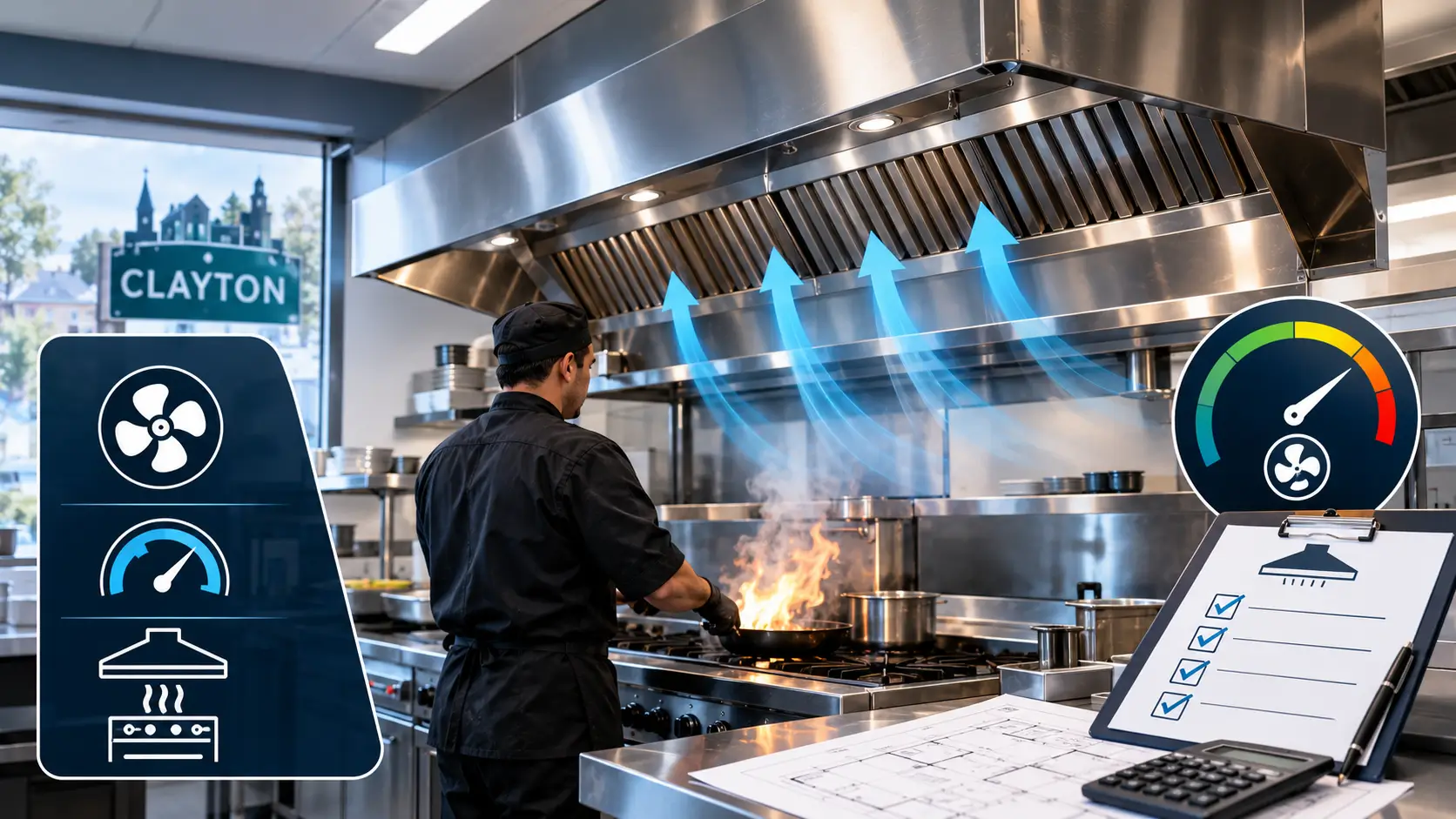
A restaurant hood pulls smoke, heat, and grease out of the cooking area, but the ductwork is what carries that exhaust out of the building. That duct can collect grease over time, and grease is fuel. If the system is poorly designed or neglected, a small grease fire can spread fast. That is why hood ductwork has to do more than “move air.” It has to contain grease, resist heat, stay accessible for cleaning, and support fire safety from end to end. NFPA 96 is built around that idea, focusing on ventilation control, fire protection, inspection, and maintenance for commercial cooking operations.
The Codes That Shape the Rules
In most projects, two things drive the requirements: NFPA 96 and the mechanical code adopted by your local jurisdiction. NFPA 96 gives the fire-safety framework, while the International Mechanical Code and local amendments often spell out details like cleanouts, access, enclosure methods, and clearance rules. The exact requirements can vary depending on where the kitchen is located, so the local authority having jurisdiction still matters a lot. In other words, the code gives the baseline, but the inspector has the final say on what is approved in your area.
How the Ductwork Should Be Built
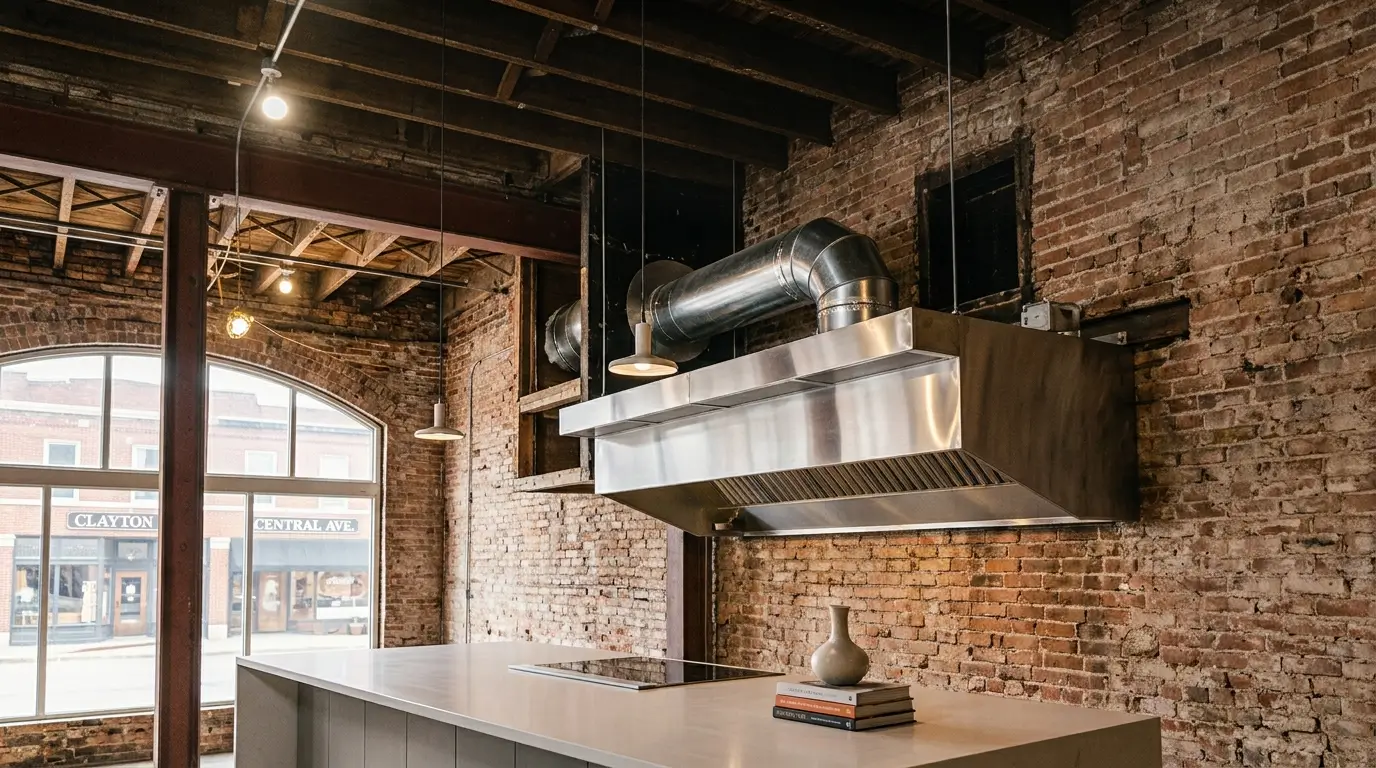
Restaurant grease ducts are usually expected to be made from durable, noncombustible materials and assembled so they do not leak grease. A major requirement is liquid-tight construction. Joints, seams, and transitions need to be sealed properly so grease does not escape into concealed spaces. Some code references also require that ducts be constructed so they can be tested for leakage before concealment. That matters because once a duct is buried in a wall or chase, problems become much harder and more expensive to fix.
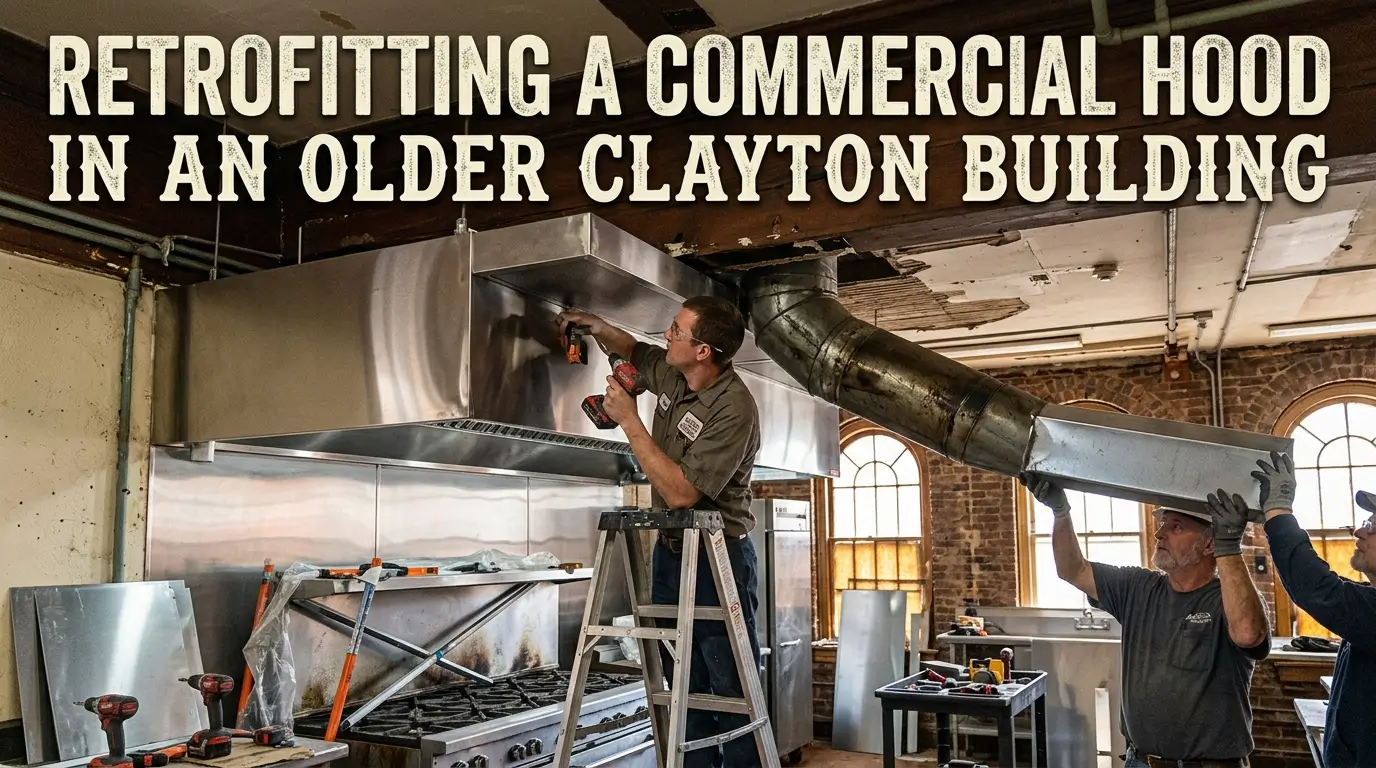
CRS Hoods fabricates grease ductwork to these liquid-tight construction standards as part of a custom-built system designed for each kitchen’s specific layout, rather than relying on generic prefabricated sections.
Clearance to Combustibles Is a Big Deal
One of the biggest hood ductwork requirements is clearance from combustible materials. Codes require grease ducts and exhaust equipment to maintain a safe distance from wood framing and other combustible construction, unless an approved enclosure or listed system is used. The exact clearance depends on the duct construction and the specific system in place, which is why this is evaluated project by project rather than applied as a flat number.
Access Doors and Cleanouts Are Not Optional
If a duct cannot be reached, it cannot be cleaned properly. That is why cleanouts and access openings are required in grease duct systems. Code materials show that sections of grease ducts that are inaccessible from the hood or discharge openings must have cleanout openings, and cleanout doors must be tight-fitting, liquid-tight, and approved for the application. The practical logic is simple: grease builds up where you cannot see it, and the only way to remove it safely is to give cleaners access.
Where Cleanouts Should Go
Cleanout placement is just as important as cleanout construction. In many code interpretations, access is expected at changes in direction and near the fan, because those are the spots where grease tends to settle. The goal is to make the system serviceable without tearing apart walls or ceilings. A good duct layout is like a highway with enough exits. A bad one is a dead-end tunnel full of grease. The more accessible the system is, the easier it is to keep compliant over time.
CRS Hoods plans cleanout placement during the design phase of each project, ensuring the system stays serviceable without requiring walls or ceilings to be opened later.
Routing Should Be Straight and Practical
The best hood ductwork route is usually the one with the fewest unnecessary turns. A straight, efficient path reduces grease collection points and makes airflow more reliable. If the duct has dips, traps, or awkward transitions, grease can pool instead of moving through the system properly. That creates more cleaning work and more fire risk. Good routing also makes the system easier to inspect, which is important because compliance is about what happens after installation, not just on opening day.
CRS Hoods designs duct routing around each building’s actual layout to minimize turns, traps, and grease collection points from the start.
The Duct Has to Stay Serviceable
A restaurant hood duct system should be designed with maintenance in mind. That means access doors should be reachable, the route should be simple, and the system should not be hidden in a way that prevents cleaning. Some code references even specify that access points must be large enough and placed so a person can actually service the duct without gymnastics. That is not a luxury. It is a necessity. If the cleaning crew cannot get in, the grease does not come out.
Inspection and Cleaning Keep the System Safe
Even a perfectly built ductwork system can become unsafe if it is ignored. NFPA guidance places responsibility for inspection, testing, maintenance, and cleanliness on the owner unless that duty is transferred in writing. In many restaurant operations, hood systems are inspected and cleaned on a regular schedule, often semiannually, but the actual frequency depends on the type and volume of cooking. Heavy frying or charbroiling usually means more grease, which means more frequent cleaning. A system that looks fine from the outside can still be overloaded inside.
Since 1980, CRS Hoods has fabricated and installed more than 10,000 commercial kitchen exhaust systems across Pennsylvania, New Jersey, Delaware, and Maryland, with systems built for long-term serviceability and inspection readiness.
Common Mistakes That Cause Problems
The most common mistakes are usually simple and expensive: poor welding, missing cleanouts, weak access door installation, duct runs too close to combustibles, and skipped maintenance. Another common mistake is assuming a system that passed inspection once will stay compliant forever. It will not. Grease changes the system over time, and menu changes can change the amount of buildup too. The safest kitchens treat ductwork as an active safety system, not a one-time install.
These are the kinds of issues CRS Hoods catches during fabrication and installation, since proper welding, cleanout placement, and clearance planning have to be right the first time, not corrected after a failed inspection.
A Smart Next Step for Restaurant Owners
If you are planning a new kitchen, remodeling an old one, or trying to solve an inspection issue, review your hood and duct layout before construction starts. A small design decision today can save major rework later. For more about commercial kitchen hood systems and services, visit CRS Hoods. For code background, you can also review the official NFPA 96 standard page and the ICC digital code resources.
Conclusion
Restaurant hood ductwork requirements are all about safety, access, and long-term performance. The duct has to be built to contain grease, routed to avoid traps, kept far enough from combustibles, and fitted with proper cleanouts and access doors. Just as important, it has to be cleaned and inspected on a regular schedule. If you get those basics right, you are not just checking a compliance box. You are protecting your staff, your customers, and your business.
FAQs
What is the main standard for restaurant hood ductwork requirements?
NFPA 96 is the primary standard for commercial cooking ventilation and fire protection.
Why does hood ductwork need cleanout openings?
Cleanouts let technicians remove grease from areas that are otherwise inaccessible, which helps prevent fire risk and code violations.
How far should grease ducts be from combustible materials?
Clearance requirements depend on the duct’s construction and whether an approved enclosure or listed system is used. Because this varies by project, a licensed hood professional determines the correct clearance for each specific installation.
How often should restaurant hood ducts be cleaned?
The schedule depends on the cooking load, but many systems are inspected and cleaned at least semiannually. Heavy cooking often requires more frequent service.
Can a grease duct have ordinary seams and joints?
No. Grease ducts are expected to be liquid-tight and properly sealed so grease cannot leak into concealed spaces.
What happens if ductwork is hidden and hard to access?
Hidden ductwork is harder to inspect and clean, which makes grease buildup more likely and increases fire risk.
Who is responsible for keeping the hood duct system clean?
The owner is typically responsible unless that responsibility is transferred in writing to another party. CRS Hoods’ inspection and cleaning services help owners stay on top of that responsibility with documented, code-compliant service.