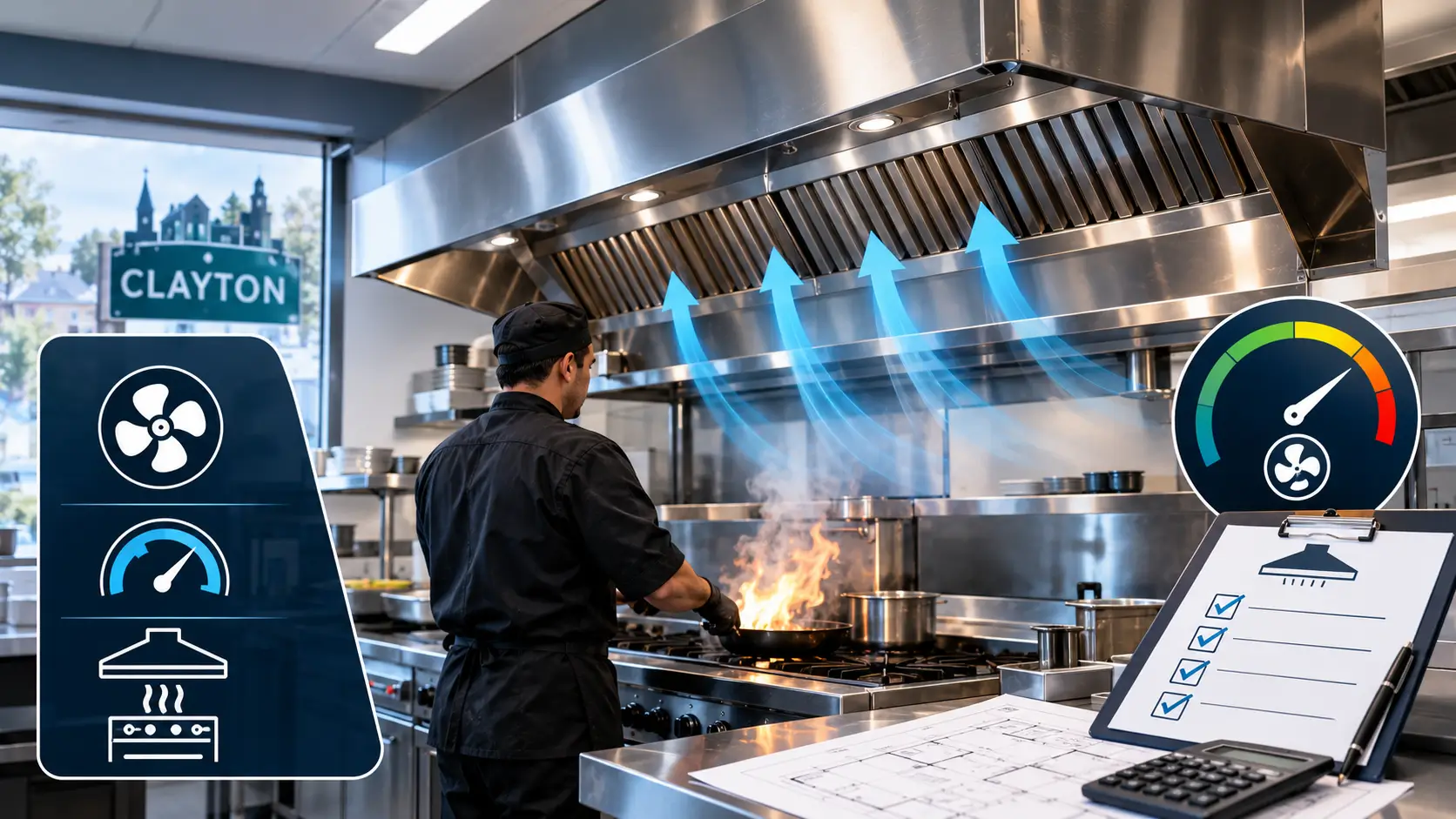
Commercial kitchen exhaust systems work by capturing smoke, grease, heat, and cooking odors through ventilation hoods and safely pushing contaminated air outside the building. At the same time, fresh air flows back into the kitchen to keep the environment safe and comfortable. Without proper restaurant kitchen ventilation, temperatures rise fast, grease builds up, and air quality becomes dangerous. If you want to understand how commercial kitchen hood systems actually work and why they matter for safety, efficiency, and compliance, keep reading.
For professional ventilation solutions, visit CRS Hoods.
Understanding Commercial Kitchen Ventilation Systems
Every busy restaurant kitchen produces heat, smoke, steam, and airborne grease throughout the day. A commercial kitchen ventilation system is designed to remove these contaminants before they spread across the workspace.
Whether it is a restaurant, hotel kitchen, cafeteria, or food truck operation, proper airflow is essential for maintaining a safe cooking environment. Commercial hood exhaust systems also help businesses comply with fire safety and health regulations.
NFPA (National Fire Protection Association) establishes the fire protection and ventilation control requirements that commercial kitchen exhaust systems must meet.
What Is a Commercial Kitchen Exhaust System?
A commercial kitchen exhaust system is a mechanical ventilation setup that removes contaminated air from cooking spaces. It captures airborne grease particles, smoke, steam, and heat generated by cooking equipment.
Most restaurant kitchen exhaust systems include:
- Commercial exhaust hoods
- Grease filters
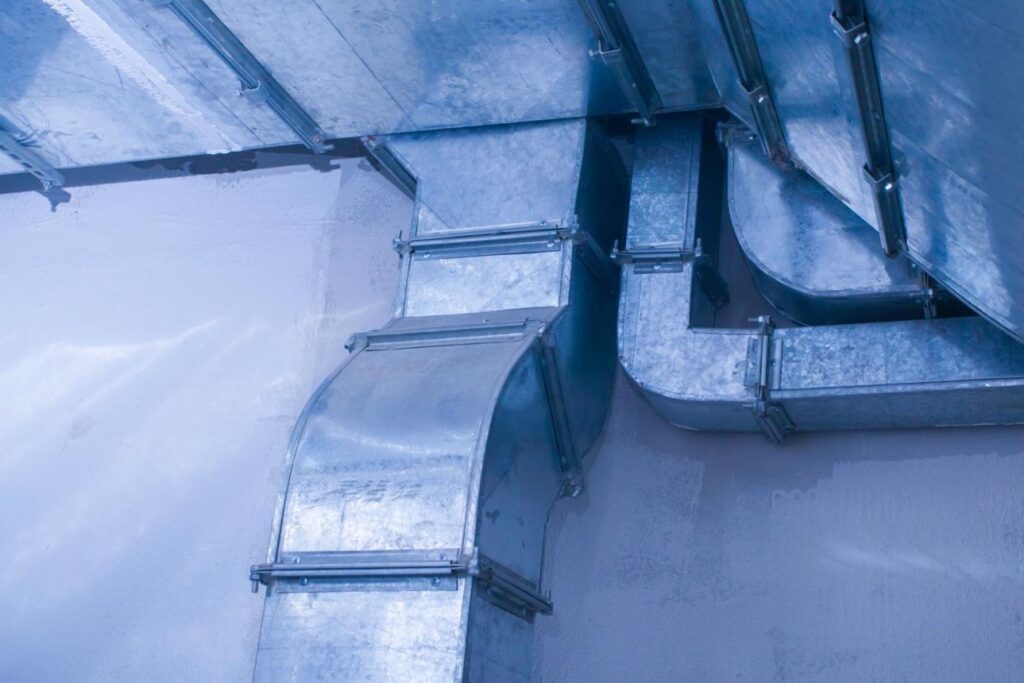
- Ventilation ductwork
- Exhaust fans
- Make-up air units
You can think of it as the lungs of a commercial kitchen. It constantly pulls out dirty air and replaces it with fresh air to keep the environment balanced.
Why Restaurant Kitchen Ventilation Is So Important
Restaurant kitchens can become extremely hot and smoky within minutes if ventilation is poor. Proper commercial kitchen airflow improves both safety and productivity.
A well-designed kitchen ventilation system helps:
- Reduce kitchen heat
- Remove grease-laden vapors
- Improve indoor air quality
- Prevent smoke buildup
- Lower fire risks
- Create a comfortable workspace for staff
The Occupational Safety and Health Administration (OSHA) also highlights the importance of workplace ventilation for employee safety.
Key Components of a Commercial Kitchen Hood System
Every commercial kitchen hood ventilation system relies on several parts working together to maintain safe airflow.
Commercial Exhaust Hood for Capturing Smoke and Grease
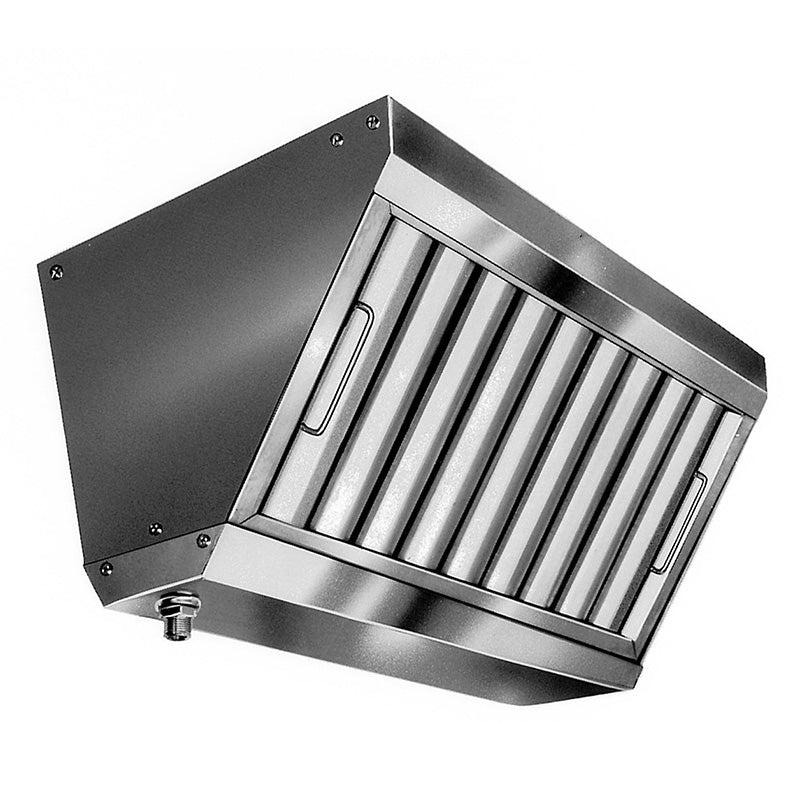
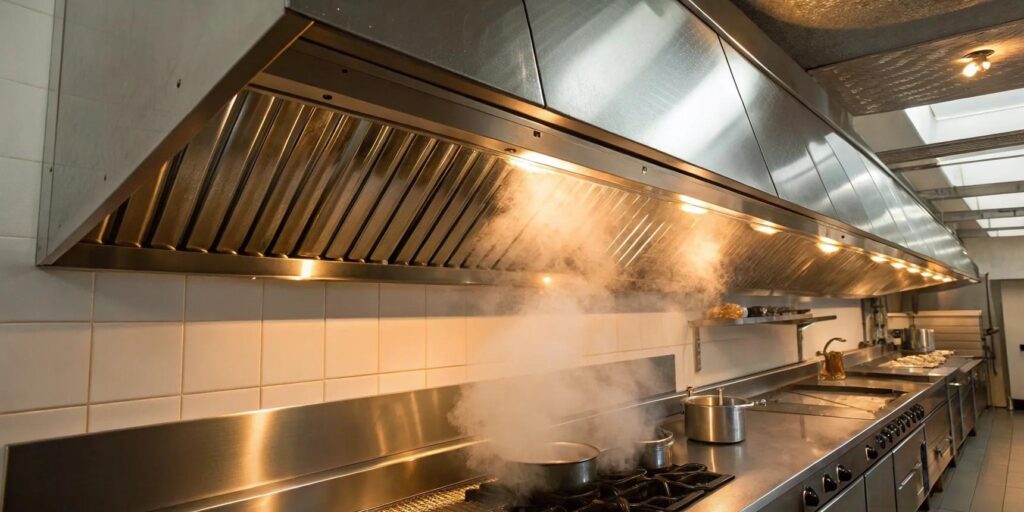
The exhaust hood sits directly above cooking appliances like fryers, grills, and ovens. Its job is to capture rising smoke, grease particles, and hot air before they spread throughout the kitchen.
Different kitchens require different hood styles depending on cooking volume and equipment type.
Kitchen Exhaust Ductwork and Airflow Channels
Once the hood captures contaminated air, ductwork transports it safely outside the building.
Commercial kitchen exhaust ducts are specially designed to handle grease vapors while minimizing buildup inside the system.
Restaurant Exhaust Fan System
The exhaust fan is what powers the entire ventilation system. It creates suction that pulls contaminated air through the hood and ductwork.
Without the exhaust fan, smoke and grease would remain trapped inside the kitchen.
Make-Up Air Units for Commercial Kitchens
As dirty air leaves the building, fresh air must replace it. This process is handled by the make-up air unit.
Balanced airflow prevents pressure issues inside the kitchen and helps HVAC systems work properly.
Without make-up air, kitchens may experience:
- Uneven airflow
- Excessive heat
- Slamming doors
- Poor ventilation performance
Step-by-Step Process of How Commercial Kitchen Exhaust Works
The process behind commercial kitchen ventilation is actually straightforward once you break it into steps.
Capturing Heat, Steam, and Airborne Grease
Cooking equipment releases hot air filled with smoke and grease particles. Since heat naturally rises, the exhaust hood captures these contaminants immediately.
The hood works almost like a giant vacuum over the cooking line.
Filtering Grease Particles from Kitchen Air
Grease filters inside the hood trap grease before it enters the duct system.
This step is critical because grease buildup inside ducts is one of the leading causes of restaurant kitchen fires.
Many commercial kitchens use stainless steel baffle filters because they are durable and easier to clean.
Removing Smoke and Cooking Odors from the Kitchen
After filtration, the restaurant exhaust fan pushes contaminated air through the ductwork and vents it outdoors.
This process removes:
- Smoke
- Cooking odors
- Steam
- Excess heat
- Harmful airborne particles
As a result, the kitchen stays cooler and cleaner throughout the day.
Replacing Indoor Air with Fresh Make-Up Air
Fresh outdoor air is brought back into the kitchen through the make-up air system.
This keeps air pressure balanced and prevents ventilation issues. Think of it like opening a window after turning on a bathroom fan. Air must return to replace what was removed.
Types of Commercial Kitchen Exhaust Hoods
Different cooking operations require different ventilation solutions.
Type I Commercial Kitchen Hoods for Grease-Producing Equipment
Type I hoods are designed for appliances that create grease and smoke, including:
- Fryers
- Grills
- Charbroilers
- Woks
These hoods include grease filters and fire suppression systems for added safety.
Type II Kitchen Ventilation Hoods for Heat and Steam
Type II hoods handle heat, moisture, and steam but are not built for grease-heavy cooking.
They are commonly installed above:
- Dishwashers
- Pasta cookers
- Ovens
Because they do not process grease vapors, these systems are simpler.
CRS Hoods determines which hood type and configuration a kitchen needs as part of a full system design, based on the cooking equipment and layout of the space.
Benefits of Commercial Kitchen Exhaust Ventilation Systems
A properly installed restaurant exhaust system does much more than remove smoke.
Improved Restaurant Kitchen Fire Safety
Grease fires are a serious risk in commercial kitchens. Proper ventilation dramatically reduces grease accumulation and fire hazards.
Better Indoor Air Quality in Commercial Kitchens
Cleaner air helps employees stay comfortable and focused during long shifts.
Reduced Kitchen Temperatures
Commercial cooking equipment generates intense heat. Exhaust systems help maintain manageable temperatures.
Compliance with Restaurant Ventilation Codes
Most local building codes require proper kitchen ventilation systems for commercial food operations.
Longer Lifespan for Commercial Kitchen Equipment
Excess grease and heat can damage expensive cooking appliances over time.
Common Commercial Kitchen Exhaust Problems
Even high-quality systems can develop issues if maintenance is ignored.
Common ventilation problems include:
- Grease buildup inside ducts
- Dirty hood filters
- Weak airflow
- Exhaust fan motor failure
- Poor make-up air balance
When these issues occur, kitchens become hotter, smokier, and less efficient.
Routine inspections help prevent expensive breakdowns.
Commercial Kitchen Exhaust Cleaning and Maintenance Tips
Regular maintenance keeps commercial hood systems operating safely and efficiently.
Clean commercial hood grease filters frequently: Dirty filters restrict airflow and increase fire risks.
Inspect restaurant exhaust ductwork: Check duct systems for grease accumulation and blockages.
Schedule professional commercial hood cleaning: Professional hood cleaning services help maintain code compliance and improve safety.
Monitor exhaust fan performance: Weak airflow or unusual noises may signal fan issues.
Maintain kitchen make-up air systems: Balanced airflow is essential for proper kitchen ventilation performance.
Skipping maintenance is similar to ignoring oil changes in a vehicle. Small issues eventually turn into expensive repairs.
CRS Hoods’ cleaning and inspection services help commercial kitchens across Pennsylvania, New Jersey, Delaware, and Maryland stay code-compliant and operating safely between major service visits.
How to Choose the Best Commercial Kitchen Exhaust System
Not all commercial kitchens need the same ventilation setup.
Several factors affect system selection:
- Kitchen size
- Cooking equipment type
- Food production volume
- Local building codes
- Energy efficiency goals
CRS Hoods evaluates these factors during a site assessment to design and fabricate a system suited to each kitchen’s specific needs.
Conclusion
So, how does commercial kitchen exhaust work? It works by capturing smoke, grease, heat, and airborne contaminants through commercial ventilation hoods, filtering the air, and safely removing it from the building while replacing it with fresh air.
A properly designed commercial kitchen ventilation system improves safety, air quality, temperature control, and code compliance. Whether you operate a restaurant, cafeteria, hotel kitchen, or catering business, investing in the right exhaust system protects both your staff and your business.
Since 1980, CRS Hoods has installed more than 10,000 commercial kitchen exhaust systems across Pennsylvania, New Jersey, Delaware, and Maryland.
Clean airflow is not just about comfort. It is a major part of running a safe and efficient commercial kitchen.
FAQs
What does a commercial kitchen exhaust system do?
A commercial kitchen exhaust system removes smoke, grease, heat, and odors from restaurant kitchens to improve safety and air quality.
How often should restaurant hood systems be cleaned?
Cleaning frequency depends on cooking volume and equipment type under NFPA 96 Table 11.4, ranging from monthly for solid fuel or 24-hour operations to annually for low-volume kitchens. Most full-service restaurants fall into a quarterly schedule.
What is the difference between Type I and Type II exhaust hoods?
Type I hoods handle grease-producing appliances, while Type II hoods manage steam and heat only.
Why is make-up air important in commercial kitchens?
Make-up air replaces exhausted air to maintain balanced airflow and proper ventilation performance.
Can poor kitchen ventilation increase fire risks?
Yes. Grease buildup and trapped smoke significantly increase the risk of commercial kitchen fires.
Are commercial kitchen exhaust systems legally required?
Yes. Most local fire and building codes require proper kitchen ventilation systems in commercial food operations.
How long do commercial kitchen ventilation systems last?
With regular cleaning and maintenance, a well-installed commercial kitchen exhaust system can perform reliably for many years. Lifespan depends on usage, cooking volume, and how consistently the system is maintained.