
Opening a commercial kitchen involves more moving parts than most owners expect, and fire suppression is one of the pieces that cannot be treated as an afterthought. A commercial kitchen exhaust system and its fire suppression system are required to work together as a single line of defense against grease fires, and code does not allow one to be installed without proper consideration of the other.
Understanding how this coordination actually works, and who is responsible for which piece, helps restaurant owners avoid delays, failed inspections, and confusion once construction is underway.
Why Fire Suppression and Hood Systems Are Connected
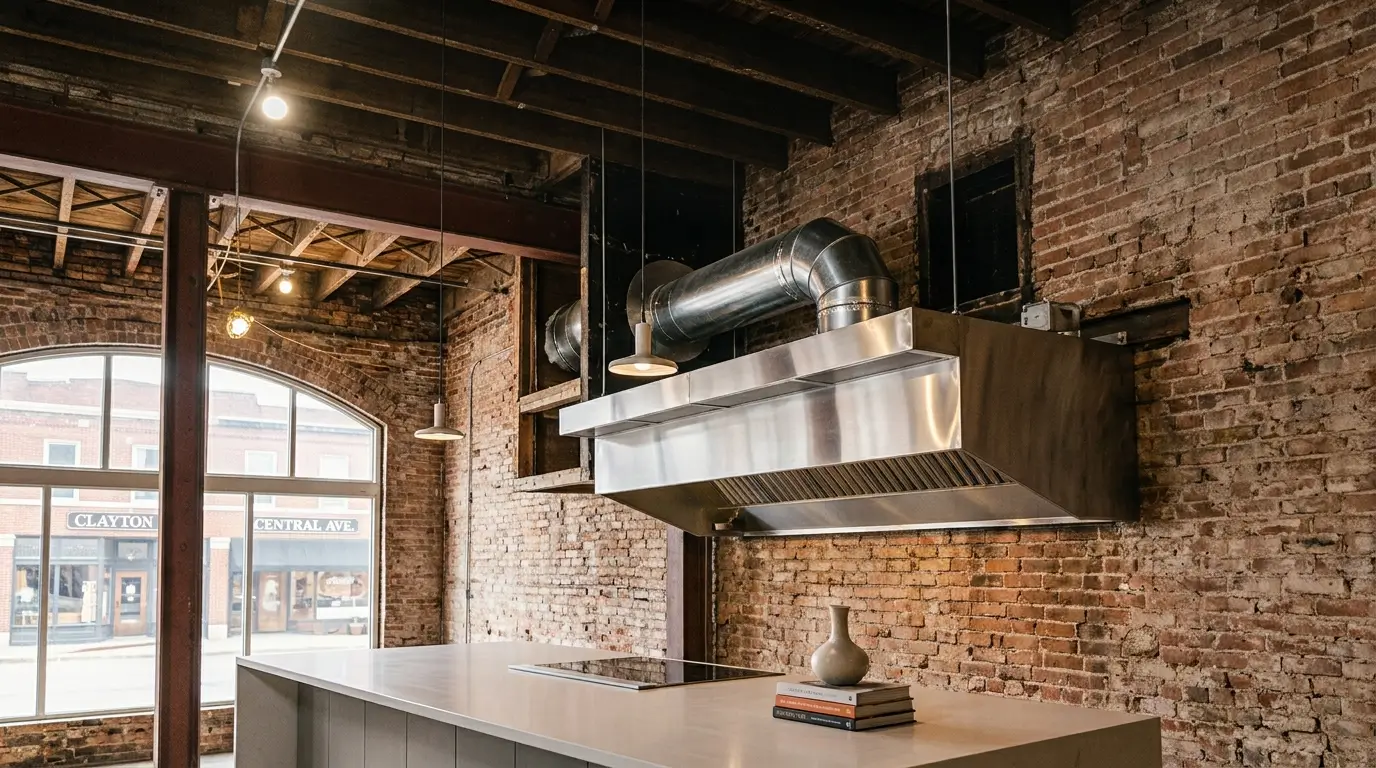
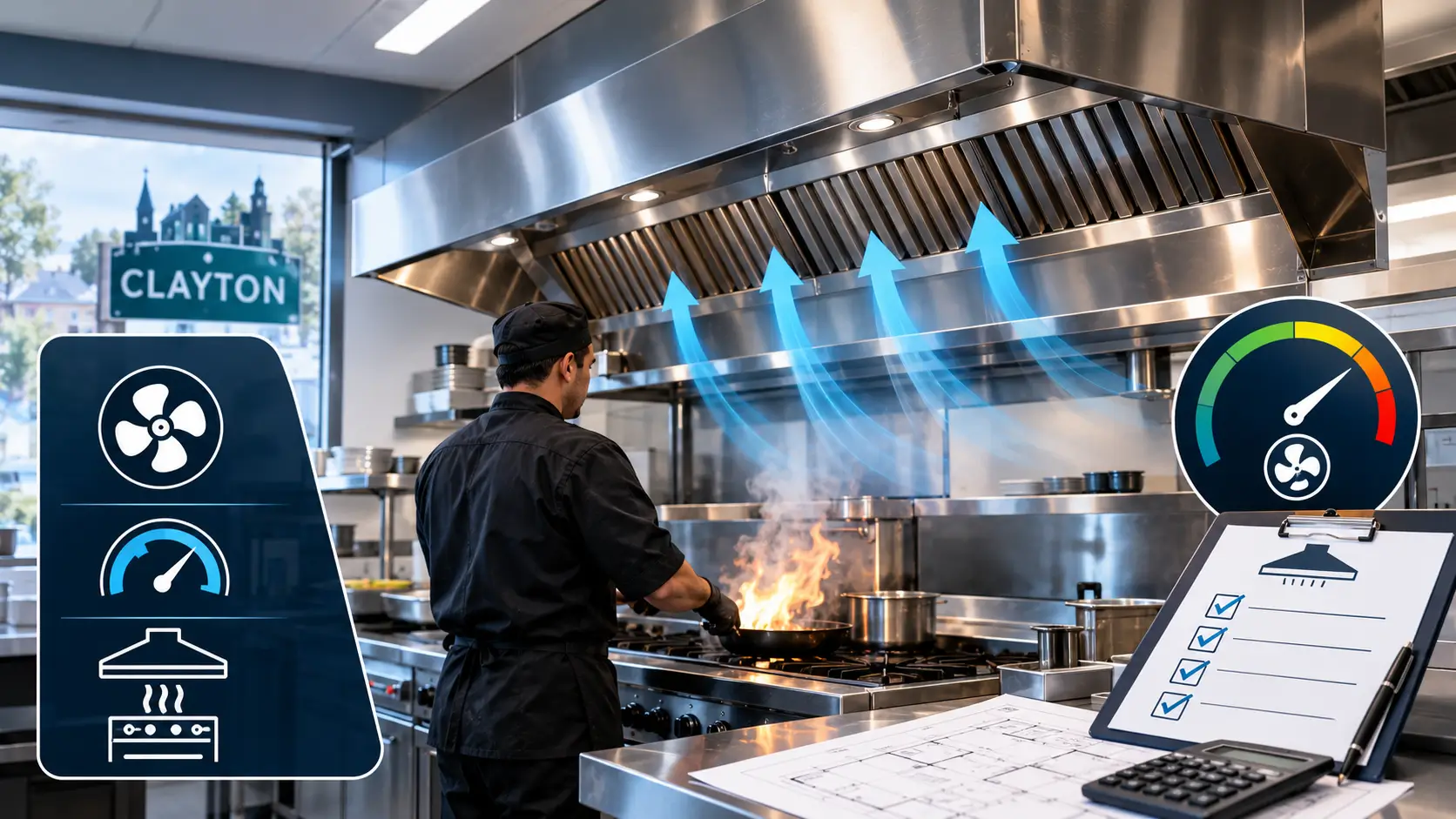
A commercial kitchen exhaust hood removes heat, smoke, and grease-laden vapors from the cooking line. The fire suppression system is designed to detect and extinguish a fire within that same hood, duct, and plenum assembly if one breaks out. Because both systems occupy the same physical space and serve the same cooking equipment, they are not independent installations. NFPA 96 governs how these systems must be designed, installed, and inspected together, and the International Mechanical Code (IMC) reinforces these requirements at the building level.
This is not a flexible guideline. A commercial kitchen cannot legally open, and cannot pass a final fire inspection, without a hood system and fire suppression system that have been coordinated to work as intended. Skipping this step does not save time. It creates a kitchen that cannot operate.
Who Is Involved in a Commercial Kitchen Fire Suppression Project
Several parties typically touch this part of a project:
- The property or business owner, who is ultimately responsible for ensuring the finished kitchen meets code.
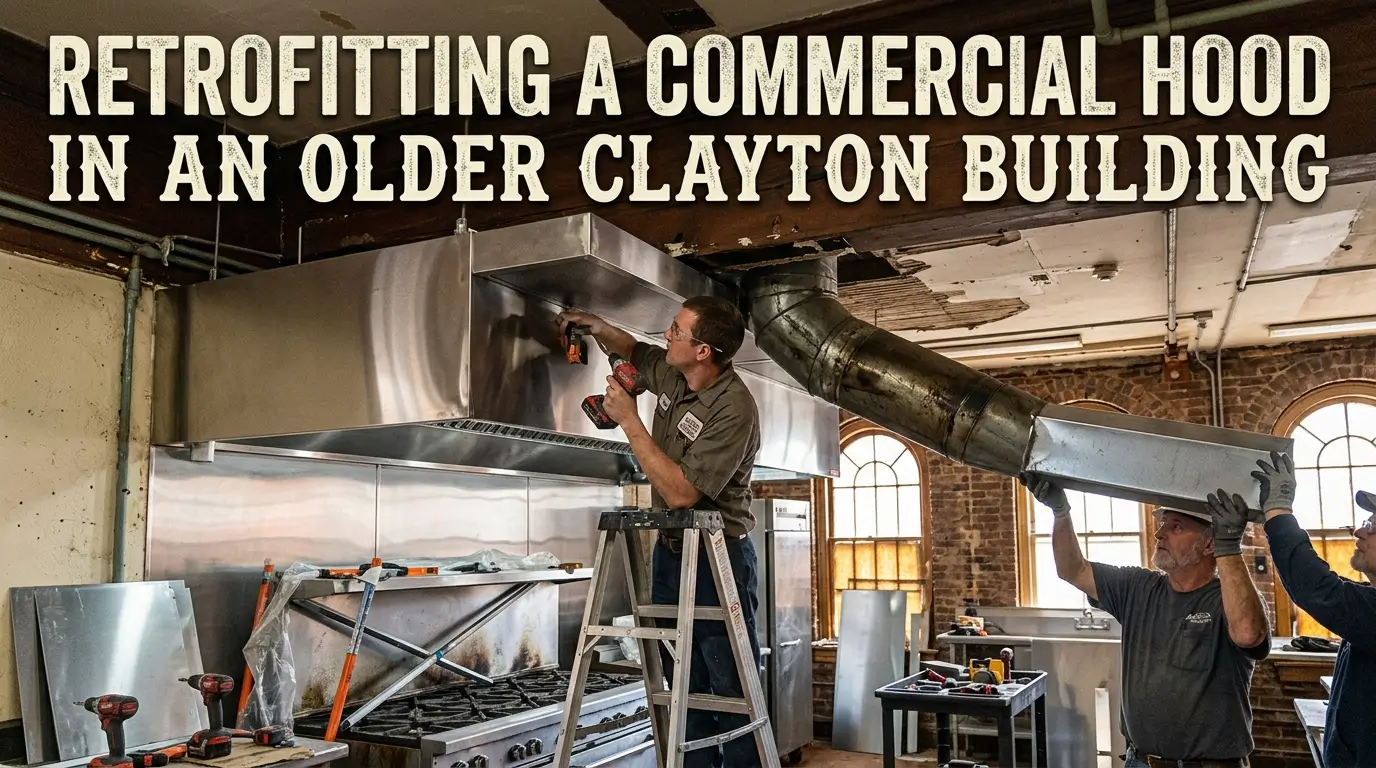
- A licensed hood fabricator, who designs and builds the exhaust hood, ductwork, and ventilation system around the kitchen’s specific equipment layout.
- A certified fire protection contractor, who designs, installs, and services the fire suppression system itself, including nozzle placement and the fire suppression agent.
- The local fire marshal or authority having jurisdiction (AHJ), who inspects and approves the completed system before the kitchen can open.
Each of these parties has a defined scope. CRS Hoods fabricates and installs the commercial kitchen exhaust system the suppression equipment will be paired with, and fire suppression coordination is handled with certified fire protection contractors to make sure the two systems align. CRS Hoods does not act as the general contractor on a project, and does not manage the fire protection contractor, the fire marshal relationship, or other trades on the owner’s behalf. That coordination responsibility sits with the owner or their general contractor, and keeping those lines clear from the start helps prevent confusion about who is accountable if something needs to be corrected later.
Why This Coordination Matters for Inspections
A hood system that is not built with the fire suppression system in mind can create real problems during inspection. Nozzle placement, coverage area, and clearance requirements all depend on the exact configuration of the hood and the cooking equipment beneath it. If the hood was not fabricated with these details accounted for, the fire suppression contractor may not be able to achieve proper coverage, and the inspection will not pass until it is corrected.
This is one of the reasons CRS Hoods emphasizes custom fabrication rather than generic, off-the-shelf hood systems. A hood built around the specific kitchen layout, equipment, and suppression requirements is far more likely to align correctly the first time, rather than requiring rework after the fire protection contractor identifies a conflict.
Since 1980, CRS Hoods has installed more than 10,000 commercial kitchen exhaust systems across Pennsylvania, New Jersey, Delaware, and Maryland, with systems that consistently pass inspection on the first attempt.
What Owners Should Expect During This Process
Owners do not need to become experts in fire suppression design, but understanding the general sequence helps set realistic expectations:
- The hood and exhaust system are designed and fabricated around the kitchen’s cooking equipment and layout.
- The fire protection contractor designs the suppression system to match that specific hood configuration.
- Both systems are installed with attention to how they interact, particularly around nozzle placement and equipment coverage.
- The completed installation is inspected and approved by the local fire marshal or AHJ before the kitchen can legally operate.
Because this sequence depends on accurate information moving between the hood fabricator and the fire protection contractor, working with a hood fabricator who understands these requirements, rather than a general HVAC company or general contractor unfamiliar with commercial kitchen code, reduces the risk of a mismatch that delays opening day.
If you’re planning a new restaurant or renovating an existing kitchen, professional Commercial Hood Installation helps ensure the exhaust system is fabricated to match your equipment layout and can be properly coordinated with the fire suppression system from the start.
The Bottom Line
Fire suppression coordination is not a side detail of a commercial kitchen project. It is a code-mandated requirement that determines whether a restaurant can legally open. A properly fabricated hood system, built with the fire suppression system in mind, gives owners the best chance of a smooth inspection process. CRS Hoods fabricates and installs commercial kitchen exhaust systems with this coordination in mind, while leaving fire suppression design and installation to certified fire protection contractors, and trade coordination responsibility with the owner or general contractor, where it belongs.
Frequently Asked Questions
Why do the hood system and fire suppression system need to work together?
Both systems occupy the same hood, duct, and plenum assembly above the cooking line. NFPA 96 requires them to be coordinated so the suppression system can properly detect and extinguish a fire within that space.
Who is responsible for coordinating the hood fabricator and the fire protection contractor?
That responsibility belongs to the property owner or their general contractor. CRS Hoods does not manage or coordinate other trades on the owner’s behalf, due to the liability concerns that come with overseeing work outside its own scope.
Can a kitchen open without a fire suppression inspection?
No. A commercial kitchen cannot legally open or operate until the hood and fire suppression systems have passed inspection by the local fire marshal or authority having jurisdiction.
What happens if the hood wasn’t built with fire suppression requirements in mind?
The fire protection contractor may not be able to achieve proper nozzle coverage, which can cause the system to fail inspection and require rework. This is one of the reasons custom-fabricated hoods, built around the specific kitchen layout, tend to align more cleanly with suppression requirements.
Why does fire suppression coordination matter before construction begins, not just at the end?
Nozzle placement and coverage depend on the exact hood configuration, so the hood design and the suppression system design need to reference the same information from the start. Addressing this early reduces the chance of conflicts being discovered during final inspection, when changes are far more disruptive.